January 21, 2026
The process of moving can be overwhelming, and hiring professional movers can make a significant difference. Yet, several insider tips and truths can help make your move smoother and more efficient. Here are X things professional movers wish you knew before your moving day.
1. Understanding the Moving Process
A key part of understanding the moving process is knowing how your belongings are protected during transit. Moving companies typically offer two levels of liability coverage: Full Value Protection and Released Value Protection. Full Value Protection provides more comprehensive coverage, holding the mover responsible for repairing, replacing, or reimbursing the value of items that are lost or damaged, though it comes at an additional cost. Released Value Protection, which is included in the moving price, offers only limited compensation and may not adequately cover high-value items. For this reason, homeowners should carefully assess their needs and consider supplemental insurance for added security during the move.
2. Protecting Your Valuables While Moving
Full Value Protection is designed to safeguard your belongings by holding the moving company fully accountable for their value. If items are lost, damaged, or destroyed during transit, the mover must repair them, replace them with comparable items, or provide a cash settlement based on repair costs or current market value. While this option offers substantially greater protection than basic coverage, it does come at an additional cost that varies depending on the overall value of your shipment. Carefully evaluating your budget and the worth of your possessions can help determine if this coverage is the right choice, especially when transporting high-value or irreplaceable items.
3. Assessing How to Pack Your Belongings
When hiring a moving company, carefully assessing how your belongings will be packed is essential to ensuring a smooth and damage-free move. Professional movers offer packing services that use specialized materials and proven techniques to protect furniture, fragile items, and electronics during transit. Deciding whether to pack items yourself or rely on the moving company depends on factors such as time, budget, and the value of your possessions. Allowing movers to handle packing can reduce stress and liability concerns, while self-packing may lower costs but requires careful organization and proper supplies to avoid damage.
4. Assessing the Time Frame of the Moving Process
Understanding the time frame of the moving process is crucial when working with a moving company to relocate your belongings efficiently. Factors such as the size of your home, the distance of the move, and the level of services selected—packing, loading, transport, and unloading—all influence how long the move will take. Professional movers can provide estimated timelines, but flexibility is important, as unexpected delays may occur due to weather, traffic, or logistical challenges. Planning ahead, confirming schedules, and maintaining clear communication with the moving company help ensure your move stays on track and minimizes disruptions.
5. Finalizing the Details Ahead of Moving Day
As moving day approaches, finalizing the details with your moving company helps ensure a seamless transition. This includes confirming arrival times, reviewing the inventory list, and clarifying access points, parking arrangements, and any special handling requirements for fragile or oversized items. Taking time to label boxes clearly and set aside essential items can also streamline the process for both you and the movers. Clear communication and last-minute checks reduce the risk of delays or misunderstandings, allowing the moving team to work efficiently and your relocation to stay on schedule.
6. Preparing Your Home Before the Movers Arrive
Decluttering is an essential step to take before moving day, as professional movers would emphasize. It involves sorting through your belongings and deciding what to keep, donate, or discard. Eliminating items you no longer need can significantly reduce moving costs since fees are often based on the weight and volume of your possessions. Organizing remaining items systematically ensures an orderly and efficient packing process. According to Today's Homeowner, packing up the average household for a move takes about 13 hours, so being organized can save considerable time and energy.
7. Labeling Boxes Clearly and Accurately
Label every box clearly to facilitate a smoother moving and unpacking process. Labels should indicate the contents and the room where each box belongs in the new home. An effective labeling system reduces confusion on moving day and assists moving professionals in understanding where to unload each box. Additionally, color coding can enhance organization by assigning specific colors to different rooms, further streamlining the process. Accurately labeled boxes also support efficient unpacking, making it easier to locate necessary items post-move.
8. Disassembling Large Furniture
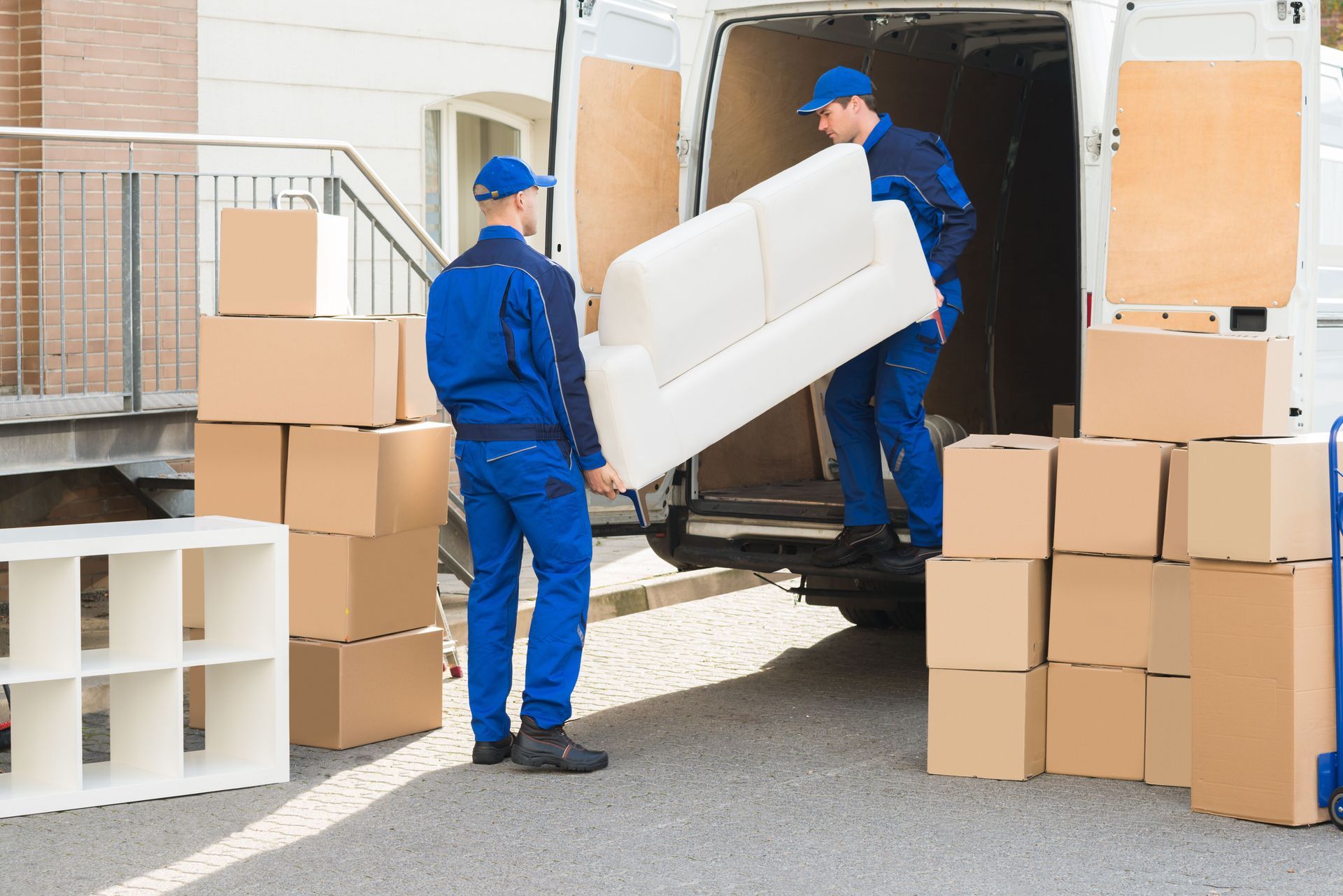
Disassembling large furniture items before moving day can save time and reduce costs. Movers often charge extra for handling large, unwieldy furniture that hasn't been broken down. Taking the initiative to dismantle these items can minimize the risk of damage during transit and simplify loading and unloading. It's advisable to keep screws and small parts secure and attach them to the dismantled pieces to prevent loss. This proactive step not only eases the physical transportation of the furniture but also helps reduce stress during the move.
9. Securing Fragile and Valuable Items
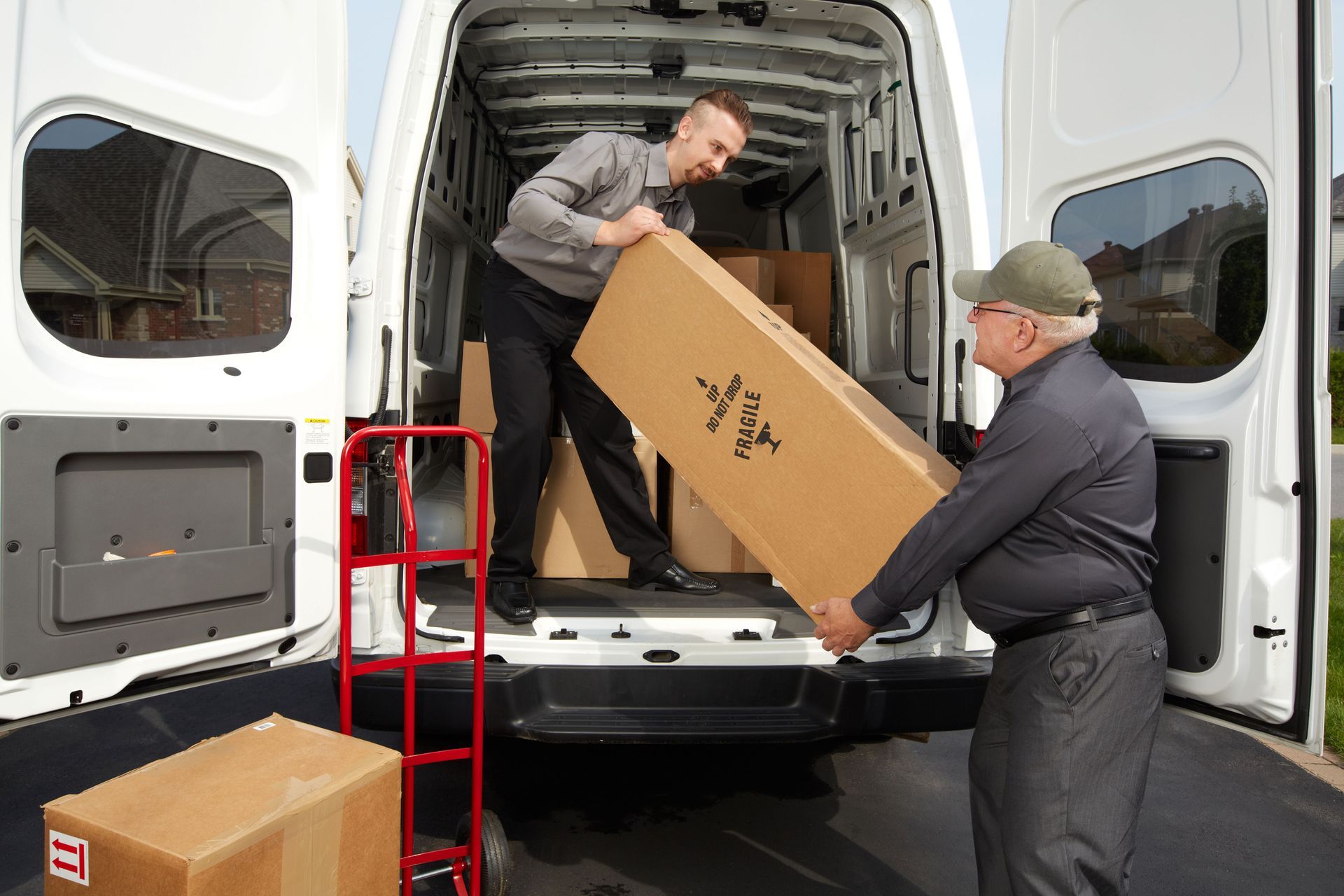
Proper packaging and additional protection are vital when securing fragile and valuable items. Experts recommend using suitable packing materials such as bubble wrap, packing peanuts, and sturdy boxes to cushion these items. Keep an inventory of valuable items and communicate their significance to your moving experts. Consider carrying high-value or irreplaceable items with you rather than placing them on the moving truck. Securing these possessions properly helps to avoid potential damage and provides assurance throughout the move.
10. Creating an Essentials Box
An essentials box should be packed containing all items you'll need access to immediately upon arrival at your new home. This box might include toiletries, chargers, basic kitchenware, a change of clothes, and important documents. Keeping this box separate ensures it’s not accidentally placed at the back of the moving truck and can be accessed without unloading all other belongings. Clearly label this box for easy identification. Having an essentials box helps to avoid stress and discomfort during the transition into your new living space.
11. Communicating Effectively with Your Movers
Providing a comprehensive inventory of your household goods allows moving experts to plan effectively for the size and complexity of your move. Highlighting any items requiring special handling or packing reduces the chances of surprises on moving day. Furnish your moving experts with specifics on fragile items, heavy pieces, or anything that necessitates additional attention. Effective communication can facilitate a seamless process and ensure your possessions are handled with the necessary care. This level of clear communication fosters a positive relationship and trust between you and the movers.
12. Explaining Access Issues at Both Ends
Understanding potential access issues at both the origin and destination can avert complications on moving day. Inform your moving professionals about difficulties such as narrow streets, restricted parking, or tight stairwells that could hinder access. If applicable, discuss loading dock availability and building restrictions in advance to develop a viable plan. Addressing these details ahead of time allows moving professionals to prepare with adequate equipment and personnel to handle the constraints. This foresight can prevent delays and help ensure a more efficient moving process.
13. Exchanging Contact Information
Effective communication requires the seamless exchange of contact information between you and the moving team. Ensuring both parties have phone numbers and email addresses allows for prompt communication in case of any last-minute changes or requests. A field team leader’s contact info ensures immediate assistance if clarification or action is needed during the move. Establishing open lines of communication alleviates stress and can quickly resolve unexpected issues. Reliable contact information plays a crucial role in maintaining a steady flow of updates and instructions throughout the moving process.
Moving is a complex process that combines logistical challenges with emotional transitions. By understanding these key insights from professional movers, your move can become less stressful and more efficient. Keep these tips in mind to ensure a smoother and more enjoyable moving experience. If you are in need of moving professionals, contact Sloane Moving today.